Introduction
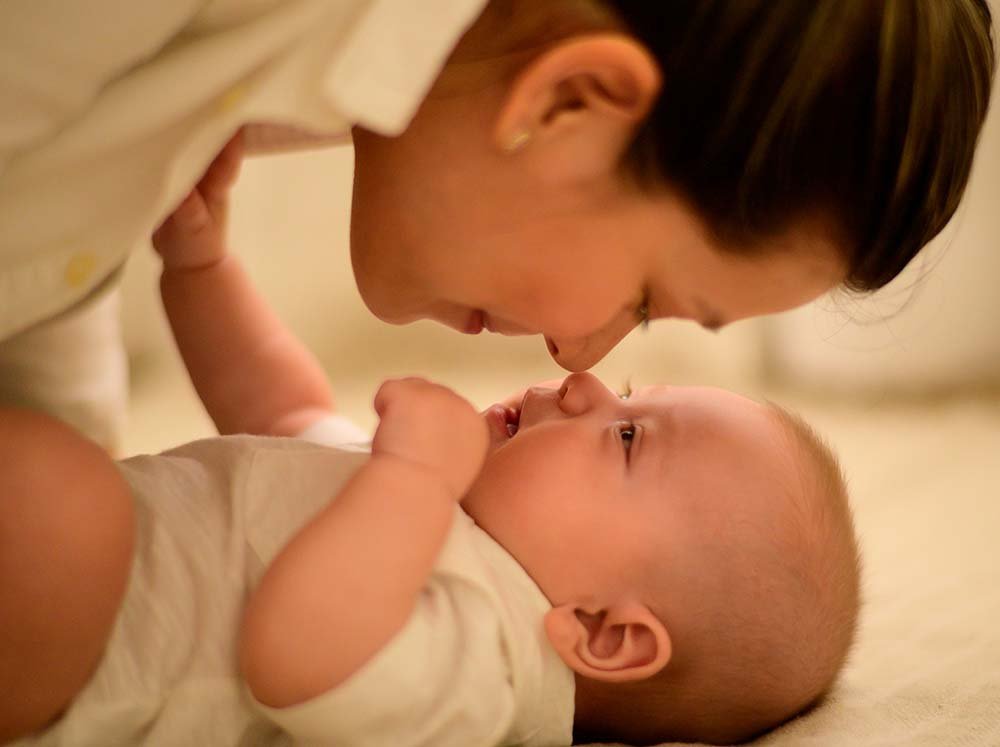
Your baby's first year is filled with remarkable growth, exciting milestones, and countless memorable moments. From their first smile and first laugh to sitting, crawling, and taking those precious first steps, every month brings new discoveries and developmental achievements.
While every baby develops at their own pace, understanding typical developmental milestones can help parents support their child's growth and identify when additional guidance may be needed. Baby development involves physical, cognitive, social, emotional, language, and sensory growth—all working together to help your little one learn about the world.
In this comprehensive guide from DayByDay.in, we'll explore what to expect during your baby's first year and how you can encourage healthy development every step of the way.
What Is Baby Development?
Baby development refers to the process through which infants grow and acquire new skills.
Development typically occurs in several key areas:
Physical Development
Growth in size, strength, movement, and coordination.
Cognitive Development
Learning, thinking, memory, and problem-solving abilities.
Language Development
Understanding sounds, words, and eventually communication.
Social and Emotional Development
Building relationships, expressing emotions, and responding to others.
Sensory Development
Learning through sight, sound, touch, taste, and smell.
Every baby develops at a unique pace, but milestones provide general guidelines.
Newborn Stage (0–1 Month)
During the first month, babies spend much of their time sleeping, feeding, and adjusting to life outside the womb.
Physical Development
- Strong reflexes
- Moves arms and legs randomly
- Briefly lifts head when on tummy
Cognitive Development
- Recognizes familiar voices
- Responds to bright lights
- Prefers faces over objects
Social Development
- Makes eye contact briefly
- Begins bonding with parents
How Parents Can Help
- Hold your baby frequently
- Talk and sing softly
- Provide supervised tummy time
- Respond to cries consistently
2 Months
Your baby becomes more alert and interactive.
Milestones
- Smiles socially
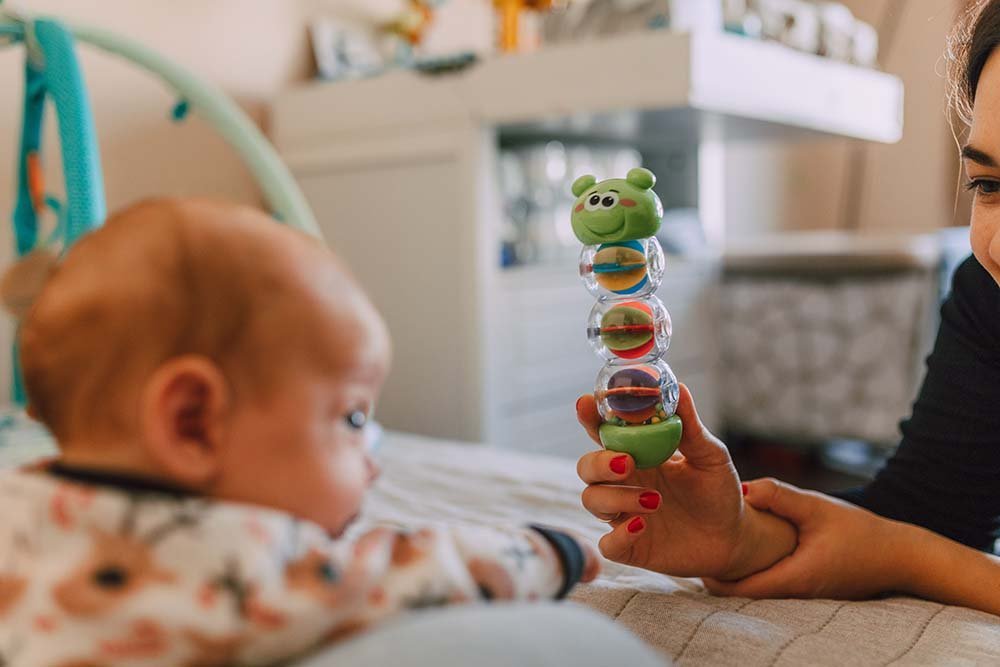
- Follows moving objects with eyes
- Makes cooing sounds
- Holds head up briefly
Development Tips
- Smile often
- Talk throughout the day
- Introduce colorful toys
- Continue tummy time
3 Months
Babies become more engaged with people and surroundings.
Milestones
- Recognizes familiar faces
- Laughs and squeals
- Holds head steadier
- Brings hands to mouth
Development Tips
- Encourage interaction
- Offer safe toys
- Read simple books
- Play peek-a-boo
4 Months
Physical strength and coordination improve significantly.
Milestones
- Rolls from tummy to back
- Holds toys
- Shows curiosity
- Enjoys social interaction
Development Tips
- Provide floor play
- Encourage reaching and grabbing
- Introduce textured toys
5 Months
Babies become increasingly active and observant.
Milestones
- Rolls in both directions
- Recognizes caregivers
- Responds to sounds
- Explores objects with hands
Development Tips
- Offer safe exploration opportunities
- Continue tummy time
- Encourage reaching and grasping
6 Months
A major developmental milestone month.
Physical Development
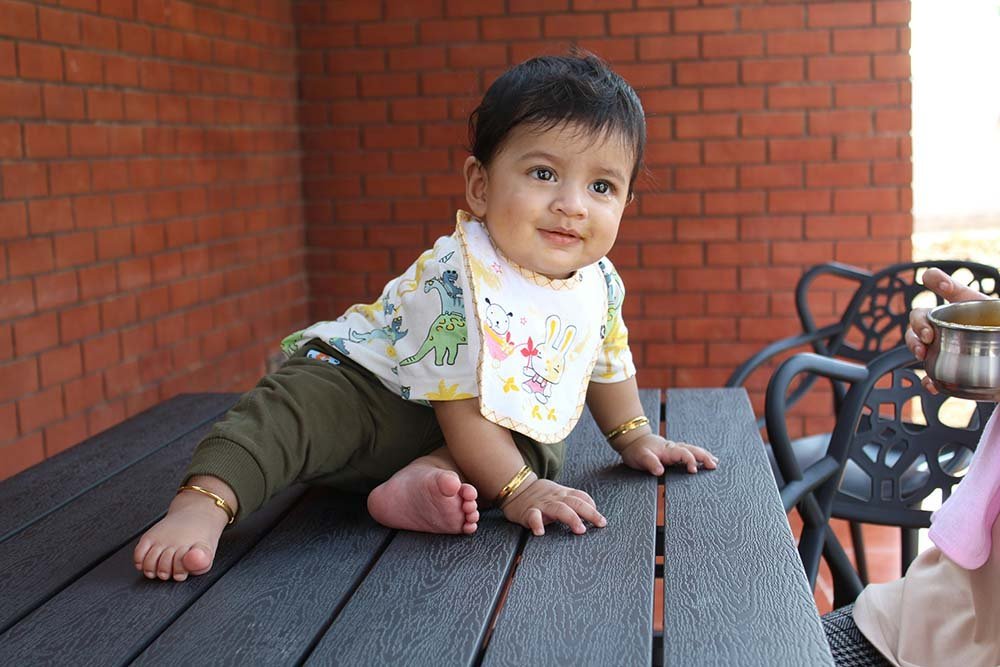
- Sits with support
- May begin sitting independently
- Transfers objects between hands
Cognitive Development
- Shows curiosity
- Explores cause and effect
Language Development
- Babbles sounds like "ba" and "da"
Development Tips
- Read daily
- Encourage sitting practice
- Introduce age-appropriate solid foods if advised
7 Months
Babies begin exploring more independently.
Milestones
- Sits without support
- Responds to their name
- Shows emotions clearly
- Reaches for desired objects
Development Tips
- Play interactive games
- Encourage movement
- Introduce new textures and sounds
8 Months
Mobility increases dramatically.
Milestones
- Crawling may begin
- Understands simple words
- Shows stranger anxiety
- Develops stronger hand coordination
Development Tips
- Baby-proof your home
- Encourage exploration
- Provide safe floor time
9 Months
Your baby's personality becomes more apparent.
Milestones
- Pulls to stand
- Copies sounds
- Waves goodbye
- Uses finger foods
Development Tips
- Encourage standing practice
- Talk frequently
- Offer opportunities for self-feeding
10 Months
Learning accelerates rapidly.
Milestones
- Cruises along furniture
- Understands simple instructions
- Points at objects
- Imitates actions
Development Tips
- Name everyday objects
- Play imitation games
- Encourage problem-solving activities
11 Months
Many babies become highly mobile.
Milestones
- May stand alone briefly
- Uses gestures
- Understands familiar routines
- Explores actively
Development Tips
- Encourage safe movement
- Continue reading and talking
- Support independent play
12 Months
Your baby is officially entering toddlerhood.
Physical Development
- May take first steps
- Improved coordination
- Better balance
Language Development
- Says first words
- Understands simple requests
Social Development
- Shows affection
- Enjoys social games
Cognitive Development
- Explores objects purposefully
- Understands object permanence
Development Tips
- Encourage walking practice
- Celebrate achievements
- Continue providing stimulating activities
Understanding Developmental Areas
Physical Development
Physical milestones include:
- Head control
- Rolling
- Sitting
- Crawling
- Standing
- Walking
These skills help babies explore their environment.
Cognitive Development
Babies learn by observing and interacting.
Examples include:
- Recognizing faces
- Understanding routines
- Solving simple problems
- Exploring cause and effect
Language Development
Language begins long before first words.
Early language milestones include:
- Cooing
- Babbling
- Responding to voices
- Understanding words
- Speaking simple words
Talking frequently helps support language growth.
Social and Emotional Development
Babies develop emotional connections through daily interactions.
Important milestones include:
- Smiling
- Laughing
- Bonding with caregivers
- Expressing emotions
- Seeking comfort
Responsive caregiving builds emotional security.
Activities That Support Healthy Development
Read Every Day
Reading supports:
- Language development
- Listening skills
- Bonding
Even newborns benefit from hearing your voice.
Provide Tummy Time
Tummy time strengthens:
- Neck muscles
- Shoulder muscles
- Core strength
It also prepares babies for crawling.
Talk Frequently
Narrate daily activities and conversations.
Babies learn language by hearing it.
Encourage Play
Play supports:
- Learning
- Creativity
- Problem-solving
- Social skills
Simple interactions often provide the greatest developmental benefits.
Nutrition and Development
Proper nutrition supports healthy growth and brain development.
Key nutrients include:
- Protein
- Iron
- Healthy fats
- Calcium
- Vitamin D
Breast milk, formula, and age-appropriate complementary foods provide essential nourishment.
Sleep and Development
Sleep plays a critical role in:
- Brain development
- Memory formation
- Physical growth
Establishing healthy sleep habits supports overall well-being.
When to Talk to Your Pediatrician
Every baby develops differently, but consult your healthcare provider if your baby:
- Doesn't respond to sounds
- Has difficulty making eye contact
- Shows limited movement
- Loses previously acquired skills
- Misses multiple developmental milestones
Early intervention can make a significant difference when developmental concerns arise.
Remember: Every Baby Is Unique
Developmental milestones are guidelines, not strict deadlines.
Some babies:
- Walk earlier
- Talk later
- Crawl differently
- Reach milestones in their own sequence
Comparing babies can create unnecessary stress. Focus on your child's overall progress rather than exact timing.
Final Thoughts
Your baby's first year is an extraordinary period of growth, learning, and discovery. From the first smile to the first steps, each milestone reflects the incredible development taking place physically, emotionally, socially, and cognitively.
By providing a loving, responsive, and stimulating environment, parents play a vital role in supporting healthy development. Remember that every child grows at their own pace, and small daily interactions often have the greatest impact.
At DayByDay.in, we're dedicated to helping parents navigate every stage of their child's development with confidence. Explore our baby milestone guides, parenting resources, nutrition advice, and child development articles to support your family's journey from newbornhood through the early years.

Comments (0)