Introduction
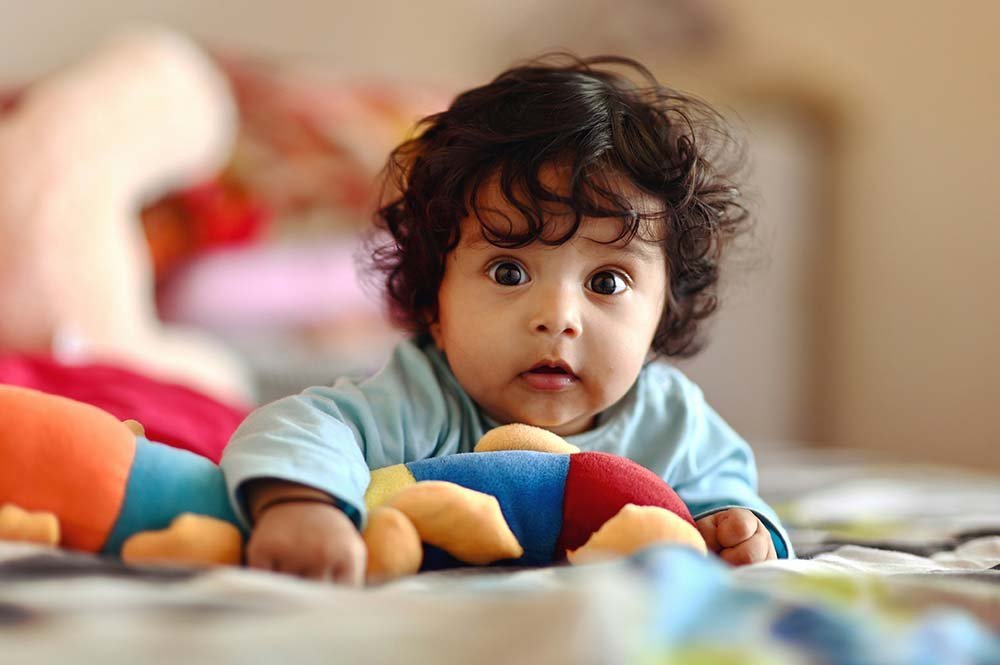
Watching your baby grow and learn is one of the most rewarding parts of parenthood. From the first smile to the first steps, every milestone offers a glimpse into your child's physical and mental development. While every baby develops at their own pace, there are certain signs that indicate healthy progress in both motor and cognitive skills during the first year of life.
Motor skills involve movement and coordination, while cognitive skills relate to learning, thinking, memory, and problem-solving. Together, these abilities form the foundation for your child's future development.
In this guide from DayByDay.in, we'll explore 10 encouraging signs that your baby is developing healthy motor and cognitive skills and how you can support their growth along the way.
Understanding Motor and Cognitive Development
Motor Skills
Motor development includes:
Gross Motor Skills
Large body movements such as:
- Rolling
- Sitting
- Crawling
- Standing
- Walking
Fine Motor Skills
Smaller movements involving the hands and fingers, such as:
- Grasping toys
- Picking up objects
- Pointing
- Self-feeding
Cognitive Skills
Cognitive development includes:
- Learning
- Memory
- Attention
- Curiosity
- Problem-solving
- Understanding cause and effect
These skills help babies explore and understand the world around them.
1. Your Baby Makes Eye Contact
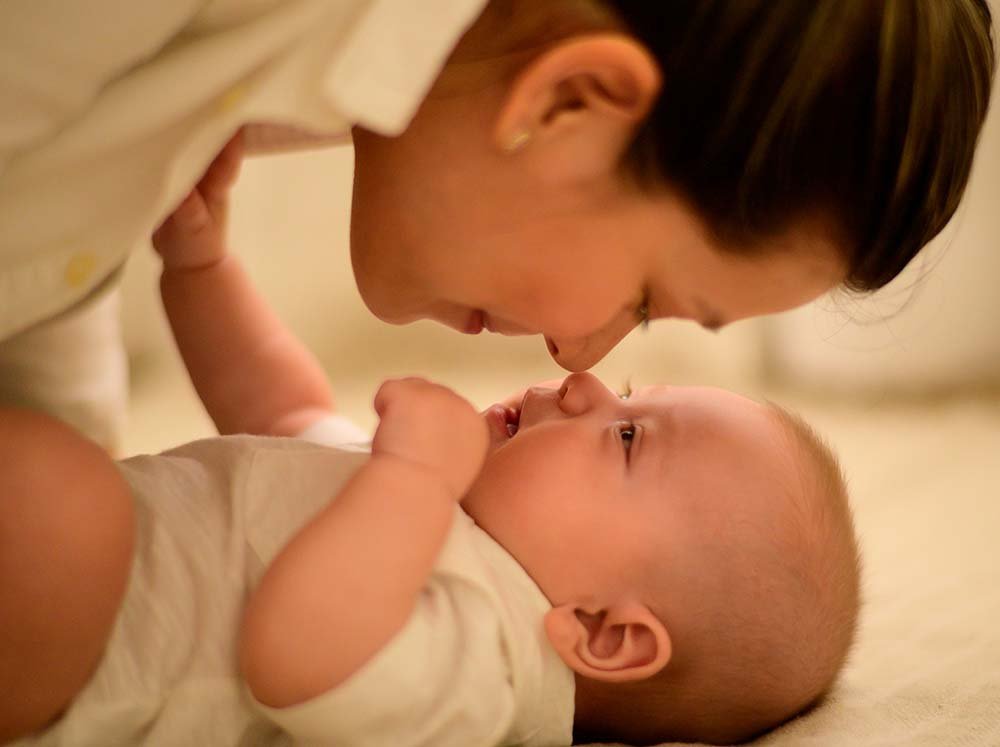
One of the earliest signs of healthy cognitive and social development is eye contact.
What to Look For
- Looking at your face
- Following your movements
- Maintaining eye contact during feeding
- Responding to smiles
Why It Matters
Eye contact helps babies learn social communication and build emotional connections.
2. Your Baby Tracks Moving Objects
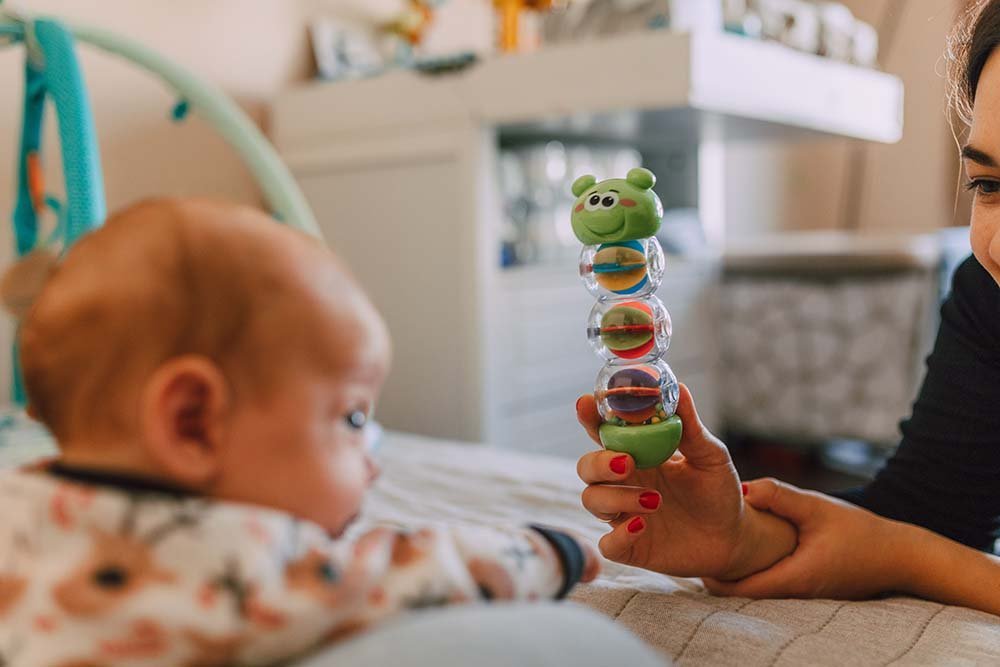
As vision develops, babies begin following objects with their eyes.
What to Look For
- Watching toys move
- Following faces across a room
- Tracking colorful objects
Why It Matters
This skill supports visual development, attention, and early learning.
3. Your Baby Reaches for Objects
Reaching is an important milestone that combines cognitive understanding with motor coordination.
What to Look For
- Stretching toward toys
- Attempting to grab objects
- Showing interest in nearby items
Why It Matters
Reaching demonstrates improved muscle control and growing curiosity.
4. Your Baby Brings Objects to Their Mouth
While parents may find this messy, it's an important developmental behavior.
What to Look For
- Exploring toys with the mouth
- Holding and examining objects
Why It Matters
Babies learn through sensory exploration, and mouthing objects helps them understand textures, shapes, and sizes.
5. Your Baby Responds to Sounds and Voices
Hearing and processing sounds are key cognitive skills.
What to Look For
- Turning toward familiar voices
- Reacting to sounds
- Responding to their name
- Enjoying music
Why It Matters
These responses indicate healthy auditory processing and language development.
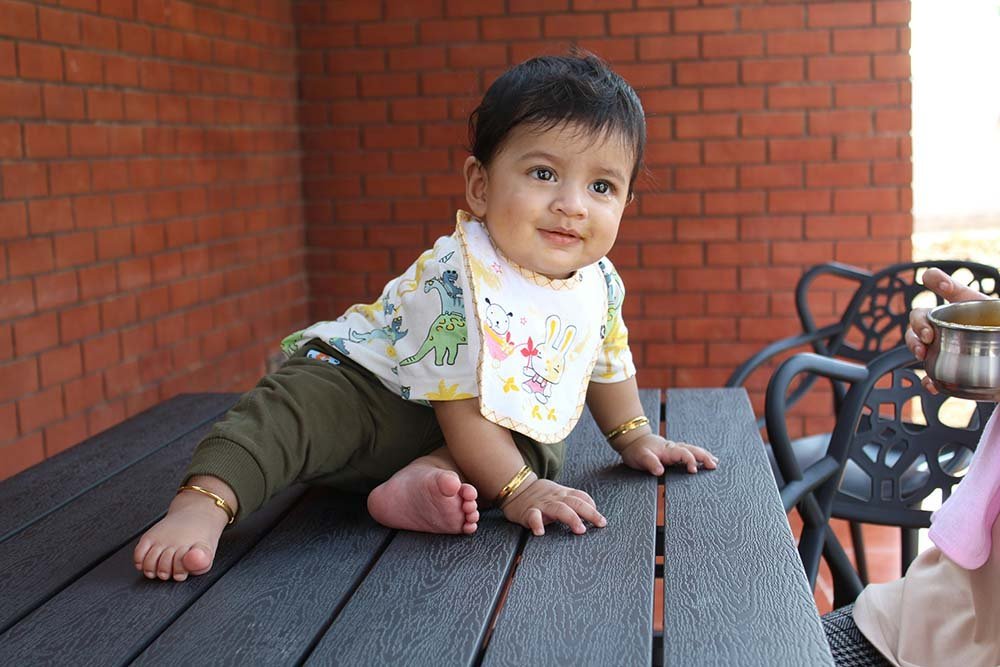
6. Your Baby Rolls, Sits, or Crawls
Physical movement milestones show healthy gross motor development.
What to Look For
Depending on age:
- Rolling over
- Sitting independently
- Crawling
- Pulling up to stand
Why It Matters
These skills require strength, balance, coordination, and body awareness.
7. Your Baby Shows Curiosity
Curiosity is a powerful sign of cognitive growth.
What to Look For
- Looking closely at objects
- Exploring new toys
- Watching people carefully
- Investigating surroundings
Why It Matters
Curious babies are actively learning and building new connections in their brains.
8. Your Baby Understands Cause and Effect
Around the middle of the first year, babies begin discovering that their actions create results.
What to Look For
- Shaking a rattle to make noise
- Dropping objects repeatedly
- Pressing buttons on toys
Why It Matters
Understanding cause and effect is a major cognitive milestone.
9. Your Baby Uses Their Hands Purposefully
Fine motor skills improve rapidly during infancy.
What to Look For
- Passing toys from one hand to another
- Picking up small objects
- Pointing
- Self-feeding attempts
Why It Matters
These skills lay the foundation for writing, drawing, and other future activities.
10. Your Baby Communicates Through Sounds and Gestures
Communication begins long before spoken words.
What to Look For
- Cooing
- Babbling
- Laughing
- Waving
- Pointing
- Responding to simple words
Why It Matters
These behaviors indicate healthy language and cognitive development.
Development by Age: What Parents Can Expect
0–3 Months
Common signs include:
- Eye contact
- Smiling
- Tracking objects
- Responding to voices
4–6 Months
Babies often begin:
- Rolling over
- Reaching for toys
- Babbling
- Exploring objects
7–9 Months
Development may include:
- Sitting independently
- Crawling
- Understanding familiar words
- Increased curiosity
10–12 Months
Many babies begin:
- Standing
- Cruising
- Using gestures
- Saying first words
- Solving simple problems
How Parents Can Support Healthy Development
Talk Frequently
Narrate daily activities and engage in conversation.
Benefits
- Language development
- Social skills
- Cognitive growth
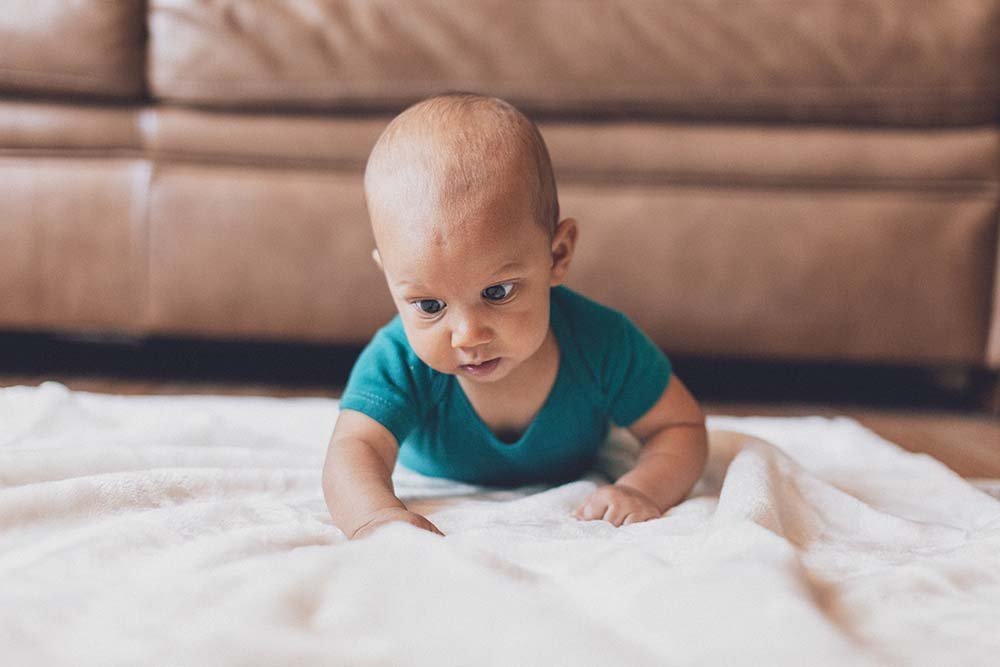
Encourage Tummy Time
Tummy time strengthens muscles needed for future movement.
Benefits
- Neck strength
- Shoulder stability
- Crawling preparation
Read Together
Books expose babies to language and new experiences.
Benefits
- Vocabulary development
- Attention skills
- Bonding
Offer Safe Exploration
Provide age-appropriate toys and opportunities for discovery.
Benefits
- Problem-solving
- Motor skills
- Curiosity
Play Interactive Games
Examples include:
- Peek-a-boo
- Singing songs
- Stacking blocks
Interactive play encourages learning through fun experiences.
When to Speak with a Pediatrician
Every child develops differently, but consult your healthcare provider if your baby:
- Rarely makes eye contact
- Doesn't respond to sounds
- Shows limited movement
- Cannot hold their head up by expected ages
- Stops using previously learned skills
- Shows little interest in surroundings
Early identification of developmental concerns can help ensure timely support.
Remember: Development Is Not a Race
It's important to remember that babies achieve milestones at different times.
Some children may:
- Walk earlier
- Talk later
- Crawl differently
- Skip certain milestones entirely
Focus on steady progress rather than comparisons with other children.
Final Thoughts
Healthy motor and cognitive development involves a combination of movement, curiosity, communication, learning, and exploration. Signs such as making eye contact, reaching for toys, responding to sounds, sitting, crawling, and communicating through gestures all suggest that your baby is actively growing and learning.
Every interaction—from reading a book to playing peek-a-boo—helps build your baby's skills and confidence. By providing a loving, stimulating environment, you're supporting the incredible developmental journey taking place during the first year of life.
At DayByDay.in, we're committed to helping parents understand and support every stage of their child's growth. Explore our baby milestone guides, parenting resources, nutrition advice, and child development articles to help your little one thrive from infancy and beyond.
Comments (0)