Introduction
The birth of a baby is a joyful and life-changing experience, but it also marks the beginning of an important recovery period for the mother. The weeks and months following childbirth, known as the postpartum period, involve significant physical, emotional, and hormonal changes as the body heals and adapts to life with a newborn.
For Indian mothers, postpartum recovery is often supported by a combination of medical care, family support, traditional foods, and cultural practices. While every woman's recovery journey is unique, understanding what to expect can help new mothers feel more confident, prepared, and reassured during this transition.
In this comprehensive guide from DayByDay.in, we'll explore the physical and emotional aspects of postpartum recovery, common challenges, and practical tips to support healing after childbirth.
What Is the Postpartum Period?
The postpartum period begins immediately after childbirth and generally lasts for about six weeks, although recovery can continue for several months.
During this time, the body:
- Heals from pregnancy and delivery
- Adjusts hormonally
- Begins breastfeeding (if chosen)
- Regains strength and energy
- Adapts to caring for a newborn
Patience and self-care are essential during this stage.
Physical Changes After Childbirth
Many changes are completely normal as your body recovers.
1. Vaginal Bleeding (Lochia)
After delivery, most women experience vaginal bleeding called lochia.
What to Expect
- Heavy bleeding during the first few days
- Gradual reduction over several weeks
- Color changes from bright red to pink, brown, and eventually yellow-white
Contact your doctor if bleeding becomes unusually heavy or contains large clots.
2. Uterine Contractions
The uterus gradually shrinks back to its pre-pregnancy size.
You May Notice
- Mild cramping
- Stronger cramps while breastfeeding
These contractions are a normal part of recovery.
3. Perineal Discomfort
Women who have had a vaginal delivery may experience soreness around the perineum.
Relief Tips
- Use prescribed medications if needed
- Maintain hygiene
- Rest when possible
- Follow your doctor's instructions
Healing usually improves significantly over the first few weeks.
4. Recovery After a Cesarean Section (C-Section)
C-section recovery generally takes longer than recovery from a vaginal birth.
Common Experiences
- Incision discomfort
- Fatigue
- Limited movement initially
Follow medical guidance regarding lifting, exercise, and wound care.
Breast Changes and Breastfeeding
Breastfeeding can bring its own adjustments.
Common Experiences
- Breast fullness
- Tenderness
- Leaking milk
- Sore nipples
Helpful Tips
- Ensure proper latch
- Stay hydrated
- Seek lactation support if needed
Most breastfeeding challenges improve with time and support.
Postpartum Fatigue
Caring for a newborn while recovering physically can be exhausting.
Causes
- Sleep deprivation
- Hormonal changes
- Physical recovery
- Breastfeeding demands
Ways to Cope
- Rest when the baby sleeps
- Accept help from family
- Prioritize recovery over household tasks
Recovery is easier when mothers receive adequate support.
Emotional Changes After Childbirth
Physical healing is only one part of postpartum recovery.
Many women experience emotional ups and downs.
Baby Blues
Baby blues are common during the first few days after delivery.
Symptoms
- Mood swings
- Tearfulness
- Irritability
- Feeling overwhelmed
These symptoms often improve within two weeks.
Postpartum Depression
Postpartum depression is more serious and requires medical attention.
Symptoms May Include
- Persistent sadness
- Loss of interest in activities
- Difficulty bonding with the baby
- Feelings of hopelessness
- Severe anxiety
Seek professional help if symptoms persist or worsen.
Nutrition for Postpartum Recovery
Proper nutrition helps support healing and energy levels.
Focus on Nutrient-Rich Foods
Protein
- Dal
- Paneer
- Eggs
- Fish
- Chicken
Iron-Rich Foods
- Spinach
- Lentils
- Dates
- Jaggery
Calcium Sources
- Milk
- Curd
- Paneer
- Ragi
Healthy Fats
- Nuts
- Seeds
- Ghee (in moderation)
Balanced meals help support both recovery and breastfeeding.
Traditional Indian Postpartum Foods
Many Indian families include special foods during postpartum recovery.
Popular Examples
- Gond laddoo
- Panjiri
- Ragi porridge
- Moong dal khichdi
- Ajwain water
- Dry fruit laddoos
These foods often provide energy and important nutrients.
Hydration Is Essential
Breastfeeding mothers especially need adequate fluids.
Healthy Choices
- Water
- Coconut water
- Buttermilk
- Soups
Keep a water bottle nearby throughout the day.
Sleep and Rest
Adequate sleep can be challenging with a newborn.
Practical Tips
- Sleep when the baby sleeps
- Share nighttime responsibilities when possible
- Limit unnecessary visitors
- Prioritize rest over chores
Recovery requires both physical and mental rest.
Managing Postpartum Pain
Mild discomfort is common after childbirth.
Areas of Pain May Include
- Abdomen
- Perineum
- Back
- Breasts
- Incision site (after C-section)
Use only medications approved by your healthcare provider.
Postpartum Exercise and Physical Activity
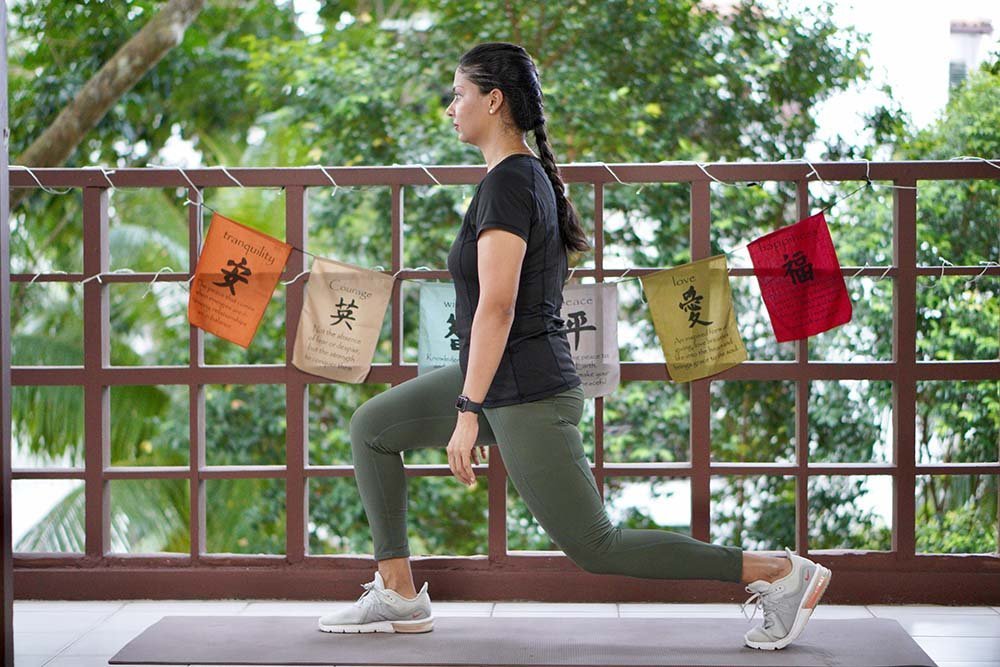
Gentle movement can support recovery.
Early Activities
- Short walks
- Gentle stretching
- Deep breathing exercises
More vigorous exercise should only begin after medical approval.
Pelvic Floor Recovery
Pregnancy and childbirth place significant stress on pelvic floor muscles.
Benefits of Pelvic Floor Exercises
- Improved bladder control
- Better muscle strength
- Enhanced recovery
Discuss appropriate exercises with your healthcare provider.
Common Postpartum Symptoms
Many mothers experience:
Hair Loss
Temporary hair shedding is common.
Sweating
Hormonal changes can increase sweating.
Constipation
Often related to hormonal changes, pain medications, or reduced activity.
Back Pain
Common due to pregnancy-related strain and newborn care activities.
Most symptoms improve over time.
Postpartum Self-Care Checklist
Daily
✔ Eat nutritious meals
✔ Stay hydrated
✔ Rest whenever possible
✔ Accept help from loved ones
✔ Practice gentle movement
✔ Take prescribed medications
Weekly
✔ Monitor physical recovery
✔ Attend follow-up appointments
✔ Check emotional well-being
Small daily habits support long-term recovery.
The Importance of Family Support
One of the greatest strengths of Indian postpartum care is family involvement.
Family members can help with:
- Cooking
- Household work
- Baby care
- Emotional support
Support allows mothers to focus on healing and bonding with their baby.
Returning to Daily Activities
Recovery timelines vary from woman to woman.
Factors include:
- Type of delivery
- Overall health
- Sleep quality
- Emotional well-being
- Family support
Avoid comparing your recovery with others.
Warning Signs That Require Medical Attention
Contact your healthcare provider immediately if you experience:
- Heavy bleeding
- High fever
- Severe pain
- Difficulty breathing
- Signs of infection
- Severe headaches
- Persistent sadness or anxiety
Early intervention is important.
Common Myths About Postpartum Recovery
Myth: Recovery Is Complete After Six Weeks
Fact
Many aspects of healing continue for several months.
Myth: Mothers Should Handle Everything Alone
Fact
Accepting support promotes healthier recovery.
Myth: Fatigue Means You're Not Recovering Well
Fact
Fatigue is normal and expected during the postpartum period.
Looking After Your Mental Health
Emotional recovery deserves as much attention as physical recovery.
Prioritize
- Rest
- Social support
- Open communication
- Professional help if needed
Taking care of your mental health benefits both you and your baby.
Final Thoughts
Postpartum recovery is a gradual process that involves healing, adjustment, and learning. Whether you've had a vaginal delivery or a C-section, your body needs time, nourishment, and support to recover fully. By focusing on nutritious foods, adequate rest, emotional wellness, gentle activity, and regular medical care, Indian mothers can navigate this important phase with greater confidence and comfort.
Remember that every recovery journey is unique. Be patient with yourself, celebrate small milestones, and don't hesitate to seek support when needed.
At DayByDay.in, we're committed to supporting mothers through pregnancy, childbirth, postpartum recovery, breastfeeding, baby care, and parenting. Explore our expert-backed guides, nutrition resources, wellness articles, and child development tools to help you and your family thrive.

Comments (0)