
Introduction
Bringing a newborn baby home is one of the most exciting and emotional experiences for any parent. Along with the joy comes a host of questions and responsibilities. How often should you feed your baby? How much sleep is normal? When should you worry about crying? How do you keep your newborn healthy and comfortable?
For first-time Indian parents, the early days can feel overwhelming. Family advice, traditional practices, and online information can sometimes be confusing. Understanding the basics of newborn care can help you feel more confident as you care for your baby during the first weeks and months of life.
In this comprehensive guide from DayByDay.in, we'll cover everything Indian parents need to know about newborn care, including feeding, sleep, hygiene, health, safety, and development.
Understanding the Newborn Stage
A newborn is a baby from birth up to 28 days of age. During this period, babies are adjusting to life outside the womb.
Newborns Need
- Frequent feeding
- Plenty of sleep
- Warmth and comfort
- Regular medical care
- Loving interaction
Every baby is unique, and there is a wide range of normal behavior during the newborn stage.
Feeding Your Newborn
Proper nutrition is one of the most important aspects of newborn care.
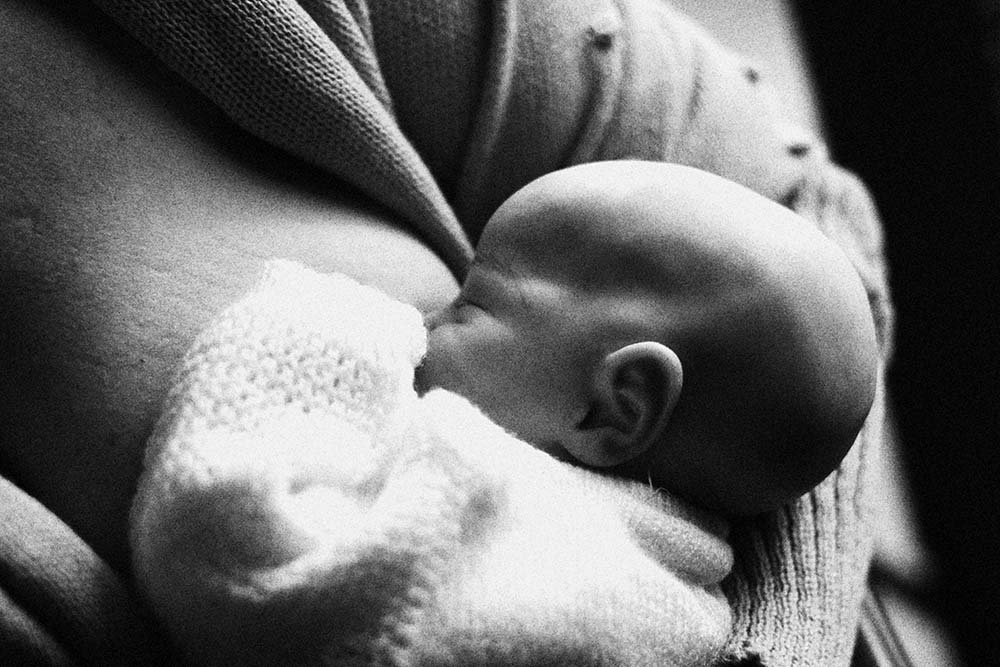
Breastfeeding
Breast milk is considered the ideal food for newborns.
Benefits
- Provides complete nutrition
- Supports immunity
- Easy to digest
- Encourages bonding
Feeding Frequency
Most newborns feed:
- Every 2–3 hours
- 8–12 times in 24 hours
Feed on demand whenever your baby shows hunger cues.
Hunger Signs
Look for:
- Rooting (turning toward the breast)
- Sucking motions
- Hand-to-mouth movements
- Increased alertness
Crying is often a late hunger sign.
Formula Feeding
Some families may use formula for various reasons.
Tips
- Follow preparation instructions carefully
- Use clean feeding equipment
- Feed according to your pediatrician's guidance
Discuss feeding concerns with your healthcare provider.
Newborn Sleep
Newborns sleep a lot.
Typical Sleep Duration
Most newborns sleep:
14–17 hours per day
Sleep occurs in short periods throughout the day and night.
Safe Sleep Guidelines
Always
✔ Place baby on their back to sleep
✔ Use a firm mattress
✔ Keep the sleep area free of pillows and loose blankets
✔ Ensure a smoke-free environment
Avoid
✘ Sleeping on soft surfaces
✘ Thick bedding
✘ Toys in the crib
Following safe sleep practices helps reduce risks.
Understanding Newborn Crying
Crying is your baby's primary way of communicating.
Common Reasons for Crying
- Hunger
- Wet diaper
- Tiredness
- Need for comfort
- Gas or discomfort
- Temperature changes
Crying does not always mean something is wrong.
How to Soothe a Crying Baby
Try
- Feeding
- Burping
- Holding your baby
- Gentle rocking
- Soft singing
- Skin-to-skin contact
Patience is key during the newborn period.
Diaper Care
Newborns require frequent diaper changes.
Wet Diapers
Most healthy newborns produce several wet diapers daily.
Signs of Adequate Hydration
- Regular urination
- Moist mouth
- Alertness between sleep periods
Diaper Rash Prevention
Tips
- Change diapers frequently
- Keep the area clean and dry
- Allow diaper-free time when possible
Consult your doctor if rashes become severe.
Bathing Your Newborn
Newborns do not require daily baths.
Before Umbilical Cord Falls Off
Many healthcare providers recommend sponge baths.
After the Cord Falls Off
You may begin regular baths using:
- Warm water
- Mild baby cleanser
- Soft towels
Always support your baby securely during bathing.
Umbilical Cord Care
The umbilical cord stump usually falls off within a few weeks.
Care Tips
Keep It
- Clean
- Dry
- Exposed to air when possible
Avoid
- Applying powders
- Using oils without medical advice
Seek medical attention if you notice redness, swelling, or discharge.
Newborn Clothing
Babies need comfortable clothing suited to the weather.
General Rule
Dress your baby in:
One more layer than an adult would wear comfortably.
Seasonal Tips for India
Summer
- Lightweight cotton clothing
- Adequate hydration through feeding
Monsoon
- Keep baby dry
- Maintain hygiene
Winter
- Layer clothing appropriately
- Avoid overheating
Comfort is more important than excessive wrapping.
Newborn Skin Care
Newborn skin is delicate and sensitive.
Common Conditions
Dry Skin
Often normal during the first weeks.
Newborn Acne
Usually temporary.
Mild Peeling
Common after birth.
Most skin changes resolve naturally.
Skin Care Tips
- Use gentle products
- Avoid harsh fragrances
- Keep skin clean and dry
Consult your doctor for persistent concerns.
Newborn Massage
Baby massage is a popular tradition in many Indian households.
Possible Benefits
- Bonding
- Relaxation
- Improved circulation
Safety Tips
- Use gentle pressure
- Choose baby-safe oils
- Stop if the baby seems uncomfortable
Discuss massage practices with your pediatrician if needed.
Monitoring Your Baby's Health
Regular observation helps identify concerns early.
Signs of a Healthy Newborn
- Regular feeding
- Steady weight gain
- Adequate wet diapers
- Alertness during awake periods
- Strong cry
Every baby develops at their own pace.
Newborn Vaccinations in India
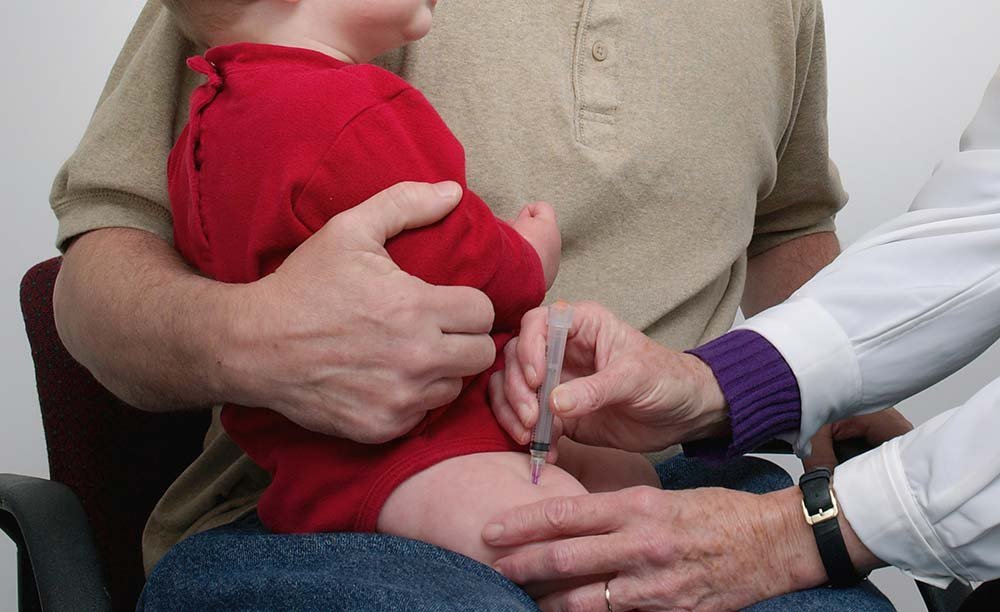
Vaccinations protect babies from serious diseases.
Common Early Vaccines
- BCG
- Hepatitis B
- OPV (Polio)
Follow your pediatrician's vaccination schedule.
Regular Pediatric Checkups
Routine visits help monitor:
- Growth
- Weight gain
- Feeding
- Development
- General health
Never hesitate to ask questions during appointments.
Bonding with Your Newborn
Building a strong emotional connection starts from birth.
Simple Ways to Bond
Skin-to-Skin Contact
Provides comfort and warmth.
Talking and Singing
Babies recognize familiar voices.
Eye Contact
Supports early communication.
Responsive Care
Responding to your baby's needs helps build trust.
Visitors and Newborn Safety
Family and friends often want to meet the baby.
Safety Measures
- Encourage handwashing
- Avoid contact with sick visitors
- Limit overcrowding
Protecting your newborn from infections is important.
Common Newborn Myths in India
Myth: Honey Should Be Given to Newborns
Fact
Honey should not be given to babies under 12 months.
Myth: Babies Need Water in the First Months
Fact
Breast milk or formula provides adequate hydration.
Myth: Crying Always Means Hunger
Fact
Babies cry for many reasons besides hunger.
Myth: Newborns Should Sleep on Their Stomach
Fact
Back sleeping is recommended for safety.
When to Call the Doctor
Seek medical attention if your newborn:
- Has difficulty breathing
- Refuses feeds
- Develops a fever
- Appears unusually sleepy
- Has persistent vomiting
- Shows signs of dehydration
- Develops yellowing that worsens
Trust your instincts as a parent.
Newborn Care Checklist
Daily
✔ Feed regularly
✔ Monitor wet diapers
✔ Practice safe sleep
✔ Maintain hygiene
✔ Spend time bonding
Weekly
✔ Track growth
✔ Monitor overall health
✔ Follow medical guidance
Consistency helps support healthy development.
Caring for Yourself as a Parent
Newborn care can be demanding.
Remember To
- Rest when possible
- Accept help from family
- Eat nutritious meals
- Stay hydrated
- Seek support when needed
Healthy parents are better able to care for their babies.
Final Thoughts
The newborn stage is filled with learning, adjustment, and unforgettable moments. While caring for a newborn may seem challenging at first, understanding the basics of feeding, sleep, hygiene, safety, and health can make the journey smoother and more enjoyable.
Remember that no parent is perfect, and every baby is different. Trust your instincts, seek guidance when needed, and enjoy the precious early days with your little one.
At DayByDay.in, we're dedicated to helping Indian parents navigate pregnancy, newborn care, baby development, nutrition, and parenting with confidence. Explore our expert-backed guides, milestone trackers, health resources, and family wellness articles to support your parenting journey every step of the way.


Comments (0)