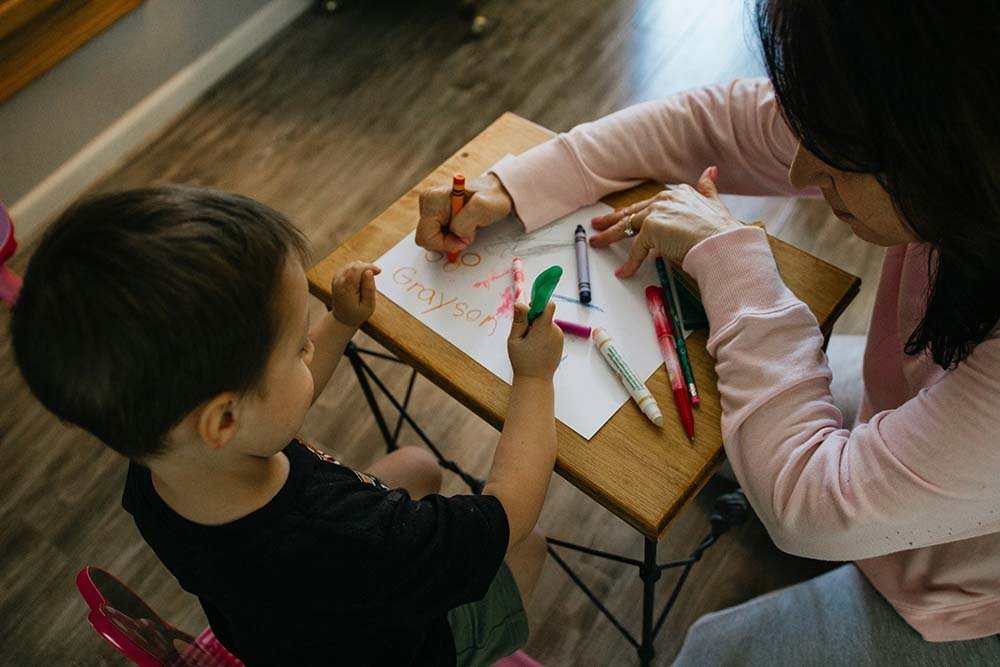
Introduction
Every parent wants their child to grow into a kind, responsible, confident, and respectful individual. While children are not born knowing how to behave in every situation, they learn through guidance, observation, consistency, and everyday experiences.
Developing good habits and positive behavior starts early and happens gradually. From learning to say "please" and "thank you" to taking responsibility for their actions, children benefit most when parents provide clear expectations, positive reinforcement, and a supportive environment.
In this guide from DayByDay.in, we'll explore practical and effective ways to encourage good habits and positive behavior in children while building strong parent-child relationships.
Why Good Habits Matter
Good habits help children develop important life skills such as:
- Responsibility
- Self-discipline
- Respect for others
- Emotional control
- Confidence
- Independence
- Problem-solving abilities
Habits formed during childhood often influence behavior well into adulthood.
Understanding Positive Behavior
Positive behavior includes actions that help children interact successfully with others and manage daily responsibilities.
Examples include:
- Following instructions
- Sharing with others
- Showing kindness
- Telling the truth
- Completing tasks
- Managing emotions appropriately
- Respecting rules
These behaviors are learned over time through guidance and practice.
1. Be a Positive Role Model
Children learn more from what parents do than from what parents say.
Why Modeling Matters
Kids constantly observe how adults:
- Speak to others
- Handle stress
- Solve problems
- Show kindness
- Manage emotions
If you want your child to be respectful, patient, and honest, demonstrate those qualities consistently.
Example
Instead of saying "Be polite," show politeness in your own interactions.
2. Establish Clear Family Rules
Children feel more secure when they know what is expected of them.
Effective Family Rules Should Be
- Simple
- Consistent
- Age-appropriate
- Easy to understand
Examples
- Use kind words.
- Put toys away after playing.
- Tell the truth.
- Respect others.
Clear expectations reduce confusion and behavioral issues.
3. Focus on Positive Reinforcement
Children are more likely to repeat behaviors that receive positive attention.
Positive Reinforcement Examples
- Verbal praise
- Hugs
- High-fives
- Extra playtime
- Small rewards
Instead of Saying
"Don't make a mess."
Try Saying
"I love how neatly you're putting your toys away."
Positive reinforcement strengthens desired behaviors.
4. Praise Effort, Not Just Results
Children need encouragement for trying, not only for succeeding.
Helpful Praise
- "You worked really hard on that."
- "I'm proud of your effort."
- "You didn't give up."
This helps develop:
- Resilience
- Confidence
- Growth mindset
Children learn that effort is valuable.
5. Create Consistent Daily Routines
Routines help children understand expectations and develop self-discipline.
Important Routines
Morning Routine
- Wake up
- Brush teeth
- Get dressed
Homework Routine
- Complete assignments
- Organize school materials
Bedtime Routine
- Bath
- Reading
- Sleep
Consistency reduces power struggles and builds responsibility.
6. Teach Responsibility Through Small Tasks
Giving children age-appropriate responsibilities helps build independence.
Examples by Age
Preschoolers
- Put toys away
- Place clothes in laundry basket
School-Age Children
- Set the table
- Feed pets
- Organize school supplies
Older Children
- Help with household chores
- Manage simple schedules
Responsibility builds confidence and life skills.
7. Encourage Kindness and Empathy
Empathy helps children understand and care about others' feelings.
Ways to Teach Empathy
- Discuss emotions openly
- Ask how others may feel
- Encourage helping behaviors
- Read stories about kindness
Example Questions
- "How do you think your friend felt?"
- "What could we do to help?"
Empathy is one of the most important social skills children can learn.
8. Teach Emotional Regulation
Children often need guidance in managing strong emotions.
Help Children Learn To
- Identify feelings
- Express emotions appropriately
- Calm themselves when upset
Helpful Strategies
- Deep breathing
- Counting slowly
- Taking a break
- Talking about feelings
Emotional regulation supports positive behavior and healthy relationships.
9. Use Natural Consequences
Children learn best when they experience the results of their choices.
Example
If a child refuses to put away a toy, they may not be able to find it later.
Natural consequences teach responsibility without harsh punishment.
Always ensure consequences are safe and appropriate.
10. Avoid Excessive Punishment
Discipline should teach, not simply punish.
Problems with Harsh Punishment
- Creates fear
- Damages trust
- Doesn't teach better behavior
Better Alternatives
- Calm discussions
- Problem-solving
- Logical consequences
- Teaching replacement behaviors
The goal is learning, not punishment.
11. Encourage Problem-Solving Skills
Children who can solve problems independently often demonstrate better behavior.
Ask Questions Such As
- "What do you think we should do?"
- "How can we fix this problem?"
- "What would be a better choice next time?"
Problem-solving builds confidence and responsibility.
12. Limit Screen Time
Excessive screen use may affect behavior, sleep, and social interaction.
Encourage
- Outdoor play
- Reading
- Creative activities
- Family interaction
Balanced screen use supports healthier habits.
13. Reward Good Habits Consistently
When encouraging new habits, consistency is key.
Habits Worth Encouraging
- Brushing teeth
- Homework completion
- Helping at home
- Saying thank you
- Reading daily
Children learn through repetition and positive reinforcement.
14. Spend Quality Time Together
Positive behavior often improves when children feel connected to their parents.
Ideas
- Family meals
- Reading together
- Playing games
- Outdoor activities
Even short periods of focused attention can strengthen relationships.
15. Be Patient and Realistic
Children are still learning.
They will:
- Make mistakes
- Forget rules
- Test boundaries
- Need reminders
Progress is rarely perfect.
Patience and consistency are more effective than frustration.
Common Good Habits to Teach Children
Personal Habits
- Brushing teeth
- Washing hands
- Keeping belongings organized
Social Habits
- Saying please and thank you
- Sharing
- Listening respectfully
Learning Habits
- Reading regularly
- Completing homework
- Asking questions
Healthy Habits
- Eating nutritious foods
- Exercising
- Getting enough sleep
Signs Your Child Is Developing Positive Behavior
You may notice:
- Increased responsibility
- Better emotional control
- Greater independence
- Improved communication
- Respectful interactions
- Consistent routines
Positive changes often happen gradually.
When Behavioral Challenges Persist
Some behavioral difficulties are normal during childhood.
Consider seeking professional guidance if your child:
- Frequently displays aggressive behavior
- Has extreme emotional outbursts
- Struggles significantly at home and school
- Shows sudden behavioral changes
Early support can help address challenges effectively.
Building Long-Term Character
The ultimate goal isn't simply getting children to follow rules.
It's helping them become:
- Kind
- Honest
- Responsible
- Resilient
- Respectful
- Confident
These qualities develop through daily experiences and positive guidance over many years.
Final Thoughts
Encouraging good habits and positive behavior in children is not about demanding perfection. It's about teaching, guiding, and supporting children as they learn important life skills. Through positive reinforcement, consistent routines, clear expectations, empathy, and strong parent-child relationships, parents can help children develop habits that benefit them throughout life.
Remember that every child learns at their own pace. Focus on progress rather than perfection, celebrate small successes, and remain consistent in your approach.
At DayByDay.in, we're committed to helping parents raise happy, confident, and responsible children through expert-backed parenting advice, child development resources, behavior guides, and practical family tips. Explore our parenting section for more insights to support your child's growth and development.
Comments (0)