Introduction
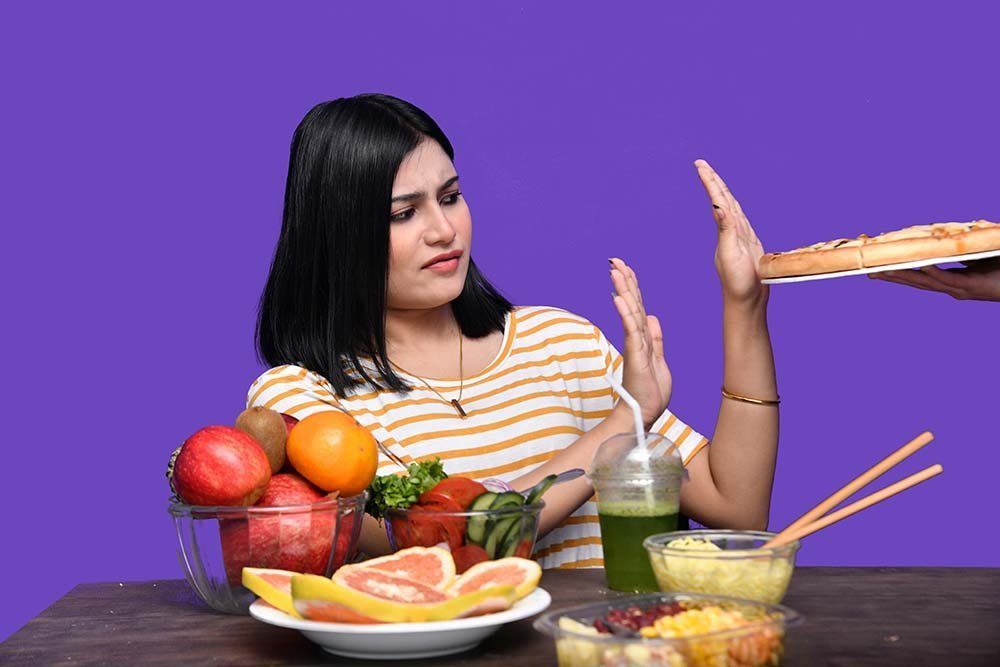
After childbirth, a mother’s diet plays an important role in recovery and breastfeeding. While most foods are safe during breastfeeding, some foods and habits may cause discomfort for the baby or affect the mother’s health if consumed in excess.
Pediatricians and lactation experts emphasize that there is no strict “forbidden food list” for breastfeeding, but moderation and awareness are important. Every baby may react differently, so observing patterns is key.
In this guide from DayByDay.in, we explain foods Indian mothers should limit or avoid while breastfeeding for better comfort and health.
1. Excess Caffeine (Tea, Coffee, Energy Drinks)
Why It Should Be Limited
Caffeine passes into breast milk in small amounts and may affect sensitive babies.
Possible Effects on Baby:
- Restlessness
- Poor sleep
- Irritability
Advice:
✔ Limit to 1–2 cups of tea/coffee per day
✔ Avoid energy drinks completely
2. Alcohol
Why It Is Avoided
Alcohol can pass into breast milk and affect baby’s development and sleep.
Effects:
- Drowsiness in baby
- Poor feeding
- Developmental risks
Advice:
❌ Avoid alcohol completely during breastfeeding
3. Highly Spicy or Oily Junk Foods
Examples:
- Fried snacks
- Street food
- Chips and packaged snacks
Possible Effects:
- Baby gas or discomfort (in some cases)
- Poor maternal digestion
- Unhealthy weight gain
Advice:
✔ Occasional small amounts are fine
✔ Prefer home-cooked meals
4. Processed and Packaged Foods
Examples:
- Instant noodles
- Packaged biscuits
- Ready-to-eat meals
Why to Limit:
- High in preservatives and sodium
- Low in nutrition
Advice:
✔ Choose fresh, home-cooked alternatives
5. Excessively Gas-Inducing Foods (If Baby is Sensitive)
Examples:
- Too much cabbage
- Large amounts of cauliflower
- Excess legumes (in some cases)
Important Note:
Not all babies are affected. Reactions vary.
Advice:
✔ Observe baby’s response
✔ Reduce only if discomfort is noticed
6. Certain Fish with High Mercury (If Applicable)
Why It Matters:
Some fish may contain high mercury levels, which can affect baby’s development.
Advice:
✔ Prefer low-mercury fish options
✔ Consult doctor if unsure
7. Excess Sugar and Sweets
Effects:
- Maternal weight gain
- Energy crashes
- Poor long-term health
Advice:
✔ Eat sweets occasionally only
✔ Prefer natural sugars like fruits
8. Very Strong Herbal Supplements (Without Doctor Advice)
Why to Be Careful:
Some herbal products may affect milk supply or baby digestion.
Examples:
- Unknown lactation herbs
- Unregulated supplements
Advice:
✔ Always consult a doctor before using supplements
9. Smoking and Tobacco Products
Effects:
- Reduces milk quality
- Affects baby’s lung health
- Increases risk of infections
Advice:
❌ Completely avoid smoking and tobacco exposure
10. Foods Causing Allergy in Some Babies (Rare Cases)
Possible Triggers:
- Cow’s milk (in some cases)
- Eggs
- Nuts
Signs in Baby:
- Rash
- Diarrhea
- Excess crying
Advice:
✔ Do not eliminate foods unnecessarily
✔ Consult pediatrician if allergy is suspected
11. Strong Garlic or Onion (Myth vs Reality)
Fact:
These foods are generally safe, but strong flavors may slightly change milk taste.
Advice:
✔ Safe in normal amounts
✔ No need to avoid completely
12. Key Principle: No Strict Diet Rules
Pediatricians emphasize:
✔ Eat a balanced diet
✔ No need for extreme restrictions
✔ Focus on nutrition, not fear
13. Foods That Are Actually Beneficial
Instead of focusing only on restrictions, include:
✔ Fruits (banana, apple, papaya)
✔ Vegetables (spinach, carrots, beans)
✔ Dairy products
✔ Whole grains
✔ Nuts and seeds
✔ Plenty of water
14. Signs Your Diet May Be Affecting Baby
Watch for:
- Frequent gas or discomfort
- Excess crying after feeds
- Skin rashes
- Sleep disturbances
If symptoms persist, consult a pediatrician.
Final Thoughts
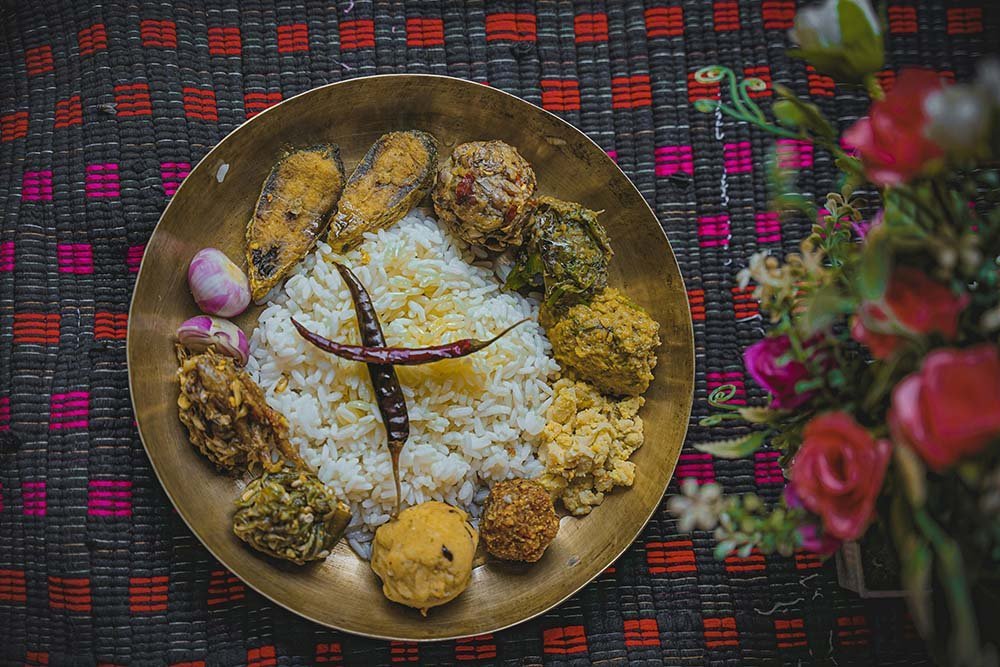
Breastfeeding mothers do not need a strict “avoid everything” diet. The key is balance, moderation, and observation of the baby’s reactions. Most Indian foods are safe and beneficial when eaten in a home-cooked, nutritious form.
Avoiding alcohol, excess caffeine, processed foods, and unhealthy habits is more important than restricting normal traditional foods.
At DayByDay.in, we are committed to guiding Indian mothers with simple, practical, and expert-style information on pregnancy, breastfeeding, baby care, and parenting.



Comments (0)