Introduction
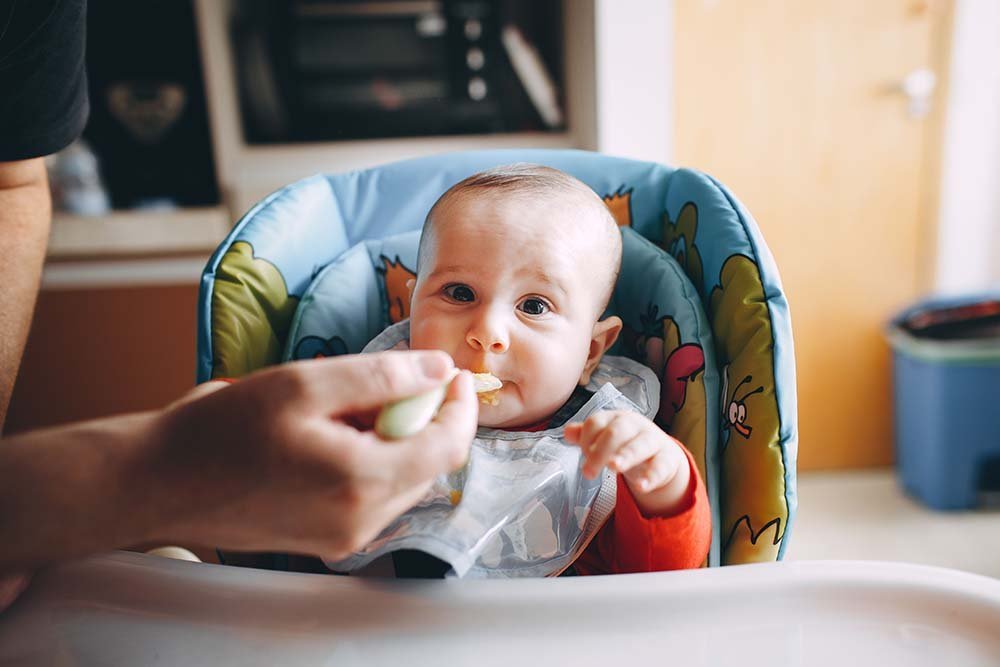
One of the most exciting milestones in your baby's first year is starting solid foods. Watching your little one taste new flavors, explore different textures, and learn how to eat is both fun and rewarding. However, many parents have questions about when to begin, which foods to offer first, and how to introduce solids safely.
Starting solids is an important step in your baby's growth and development. It helps meet increasing nutritional needs, supports oral motor development, and introduces your child to a variety of tastes and textures that can encourage healthy eating habits later in life.
In this comprehensive guide from DayByDay.in, we'll explain everything parents need to know about introducing solids safely and confidently.
When Should Babies Start Solid Foods?
Most babies are ready to begin complementary foods around 6 months of age while continuing breast milk or formula.
Breast milk or formula remains the primary source of nutrition during the first year, but solids gradually become an important addition.
Always consult your pediatrician if you're unsure about your baby's readiness.
Signs Your Baby Is Ready for Solids
Rather than focusing only on age, look for developmental signs of readiness.
Common Signs Include
Good Head Control
Your baby can hold their head steady without support.
Sitting with Minimal Support
Babies should be able to sit upright safely.
Interest in Food
Your baby watches others eat and may reach for food.
Loss of Tongue-Thrust Reflex
Food is no longer automatically pushed out of the mouth.
Ability to Open Mouth for Food
Babies willingly accept food from a spoon or hand.
If these signs are present, your baby may be ready to begin solids.
Why Wait Until Around 6 Months?
Starting solids too early may increase risks such as:
- Choking
- Digestive discomfort
- Reduced breast milk or formula intake
Waiting until developmental readiness helps babies handle food safely and effectively.
What Nutrients Become Important After 6 Months?
Around six months, babies begin needing additional nutrients beyond what breast milk alone can provide.
Key Nutrients
Iron
Supports brain development and healthy blood cells.
Zinc
Supports growth and immunity.
Protein
Supports muscle and tissue growth.
Healthy Fats
Important for brain and nervous system development.
Offering nutrient-rich foods helps meet these growing needs.
Best First Foods for Babies
There is no single perfect first food. The best choices are soft, easy to swallow, and nutrient-rich.
Iron-Fortified Baby Cereals
Examples:
- Rice cereal
- Oat cereal
- Multigrain cereal
Mix with breast milk, formula, or water.
Mashed Fruits
Good options include:
- Banana
- Avocado
- Pear
- Apple puree
- Papaya
Fruits provide vitamins and natural sweetness.
Cooked and Mashed Vegetables
Examples:
- Sweet potato
- Pumpkin
- Carrot
- Potato
- Peas
Vegetables introduce important nutrients and varied flavors.
Protein-Rich Foods
Examples:
- Well-cooked lentils
- Moong dal
- Mashed beans
- Paneer
- Yogurt
- Eggs (when introduced appropriately)
Protein supports healthy growth.
Traditional Indian First Foods
Many Indian families begin solids with nutritious traditional foods.
Popular Choices
Rice Porridge
Soft and easy to digest.
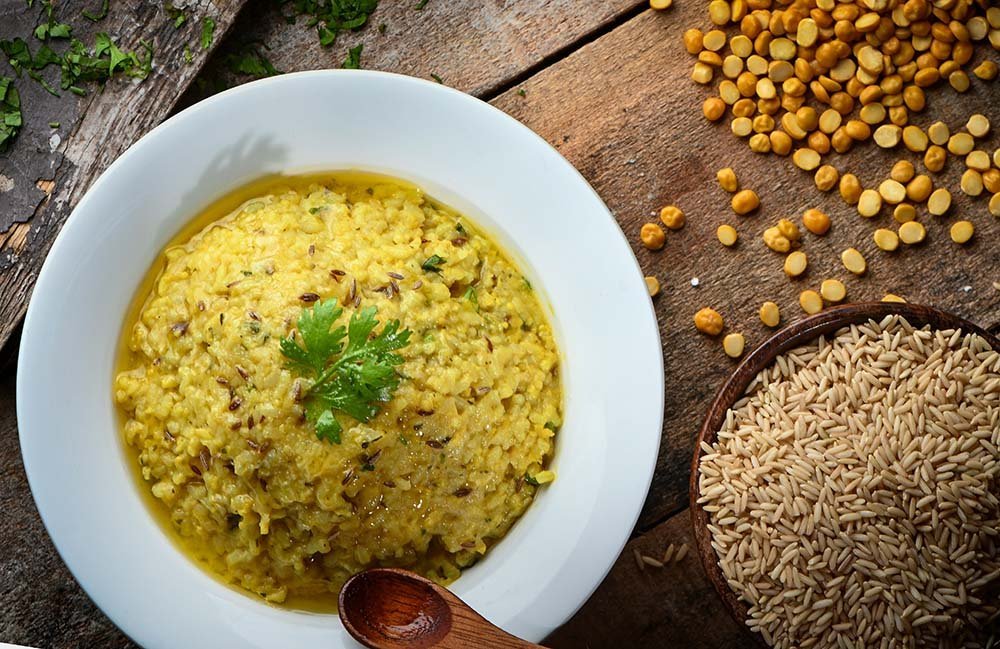
Moong Dal Khichdi
Provides carbohydrates and protein.
Ragi Porridge
Rich in calcium and iron.
Mashed Banana
Convenient and naturally sweet.
Vegetable Purees
Nutritious and versatile.
These foods can be excellent additions to a baby's diet.
How to Introduce New Foods
Introduce One New Food at a Time
Offer a single new food for several days before introducing another.
This helps identify potential allergies or sensitivities.
Example Schedule
Day 1–3: Banana
Day 4–6: Sweet potato
Day 7–9: Apple puree
Proceed gradually.
How Much Food Should Babies Eat?
At the beginning, solids are about learning and exploration.
Start Small
- 1–2 teaspoons once daily
Gradually increase as your baby becomes comfortable.
Remember:
Food before one is complementary to breast milk or formula.
Texture Progression
Babies need exposure to increasingly varied textures.
6–7 Months
- Smooth purees
- Soft mashed foods
7–9 Months
- Thicker textures
- Soft lumps
9–12 Months
- Finger foods
- Soft family foods
Texture progression supports chewing and oral development.
Baby-Led Weaning vs Spoon Feeding
Parents often choose between traditional spoon feeding and baby-led weaning.
Spoon Feeding
Parents offer purees or mashed foods using a spoon.
Benefits
- Easy to monitor intake
- Familiar approach
Baby-Led Weaning
Babies self-feed soft finger foods.
Benefits
- Encourages independence
- Supports self-regulation
Many families successfully combine both approaches.
Safe Finger Foods for Older Babies
Once developmentally ready, babies can try soft finger foods.
Examples
- Steamed vegetables
- Soft fruit slices
- Ripe avocado
- Soft-cooked sweet potato
- Scrambled eggs
- Small pieces of paneer
Always supervise meals carefully.
Common Food Allergens
Current recommendations often support introducing common allergens during infancy when developmentally appropriate.
Examples include:
- Eggs
- Dairy
- Peanut products
- Wheat
- Soy
Introduce allergens one at a time and monitor for reactions.
Discuss concerns with your pediatrician if there is a family history of allergies.
Signs of a Food Allergy
Watch for symptoms such as:
- Rash or hives
- Swelling
- Vomiting
- Difficulty breathing
- Severe diarrhea
Seek immediate medical attention for serious reactions.
Foods to Avoid During the First Year
Honey
Should be avoided until after 12 months.
Whole Nuts
Present a choking risk.
Use age-appropriate forms if advised.
Hard Foods
Examples:
- Popcorn
- Hard candies
- Whole grapes
These increase choking risk.
Excess Salt
Babies do not need added salt.
Sugary Foods and Drinks
Limit unnecessary sugar exposure.
Choking Prevention Tips
Safety is essential when introducing solids.
Always
- Supervise meals
- Seat baby upright
- Offer age-appropriate textures
- Cut foods into safe sizes
Never
- Feed while lying down
- Leave babies unattended while eating
Knowing basic first aid can provide additional confidence.
Creating Positive Mealtime Experiences
The goal is to build healthy eating habits.
Helpful Strategies
- Eat together as a family
- Allow exploration
- Avoid pressure
- Stay relaxed
- Expect messes
Mealtimes should be enjoyable and stress-free.
Common Challenges When Starting Solids
Food Refusal
Babies may need multiple exposures before accepting a new food.
Gagging
Gagging is common when learning new textures.
It differs from choking and is part of the learning process.
Messy Eating
Mess is normal and helps babies learn.
Variable Appetite
Some days babies eat more than others.
This is usually normal.
Sample First Foods Schedule
Week 1
- Banana puree
- Apple puree
Week 2
- Sweet potato puree
- Pear puree
Week 3
- Rice cereal
- Moong dal puree
Week 4
- Vegetable puree combinations
- Ragi porridge
Progress gradually based on your baby's readiness and preferences.
Frequently Asked Questions
Should I Continue Breastfeeding?
Yes. Breast milk or formula remains an important source of nutrition throughout the first year.
Can Babies Drink Water?
Small amounts of water may be introduced around six months alongside solids, following pediatric guidance.
How Many Meals Should Babies Eat?
Start with one meal daily and gradually increase to two and then three meals as your baby grows.
When to Consult Your Pediatrician
Seek medical advice if your baby:
- Consistently refuses solids
- Has difficulty swallowing
- Experiences allergic reactions
- Shows poor growth
- Has significant feeding concerns
Professional guidance can help address feeding challenges early.
Final Thoughts
Introducing solids is an exciting stage that helps support your baby's growth, nutrition, and development. By waiting until your baby shows signs of readiness, offering nutrient-rich foods, introducing textures gradually, and prioritizing safety, parents can help make the transition to solid foods a positive experience.
Remember that every baby develops at their own pace. Focus on exploration, patience, and creating enjoyable mealtimes rather than worrying about perfect intake.
At DayByDay.in, we're here to support parents through every stage of their child's journey. Explore our baby nutrition guides, feeding schedules, development trackers, parenting tips, and expert-backed resources to help your little one grow healthy and strong.

Comments (0)